
I remember the moment vividly — I was mid-workout, sweating bullets, timer ticking away, and my old fitness tracker suddenly stopped syncing. It wasn’t just frustrating; it felt like a signal that I was missing out on the real power of wearable tech. That lightbulb moment made me realize that, despite all the sleek gadgets out there, I wasn’t truly leveraging their full potential. Are you nodding along because you’ve faced the same struggle? If so, you’re in good company.
Stepping Into a New Era of Fitness Tech
In 2024, wearable technology has advanced so rapidly that what once seemed like simple step counters or calorie trackers now offer comprehensive health insights. From smartwatches that monitor heart rhythms to wireless earbuds that motivate with real-time audio cues, the options are virtually endless. Yet, many of us still feel overwhelmed or skeptical about whether these devices genuinely make a difference or if they’re just shiny novelties. The reality is, combining the right tech with your fitness goals can be a game-changer, but only if you’re aware of what truly works and what’s just hype.
Sync Your Devices Consistently
Periodic syncing is like watering your plants; neglecting it causes data loss. For instance, I once forgot to sync my smartwatch after a week-long trip, missing critical activity logs. To avoid this, set automatic synchronization if available, or establish a routine—like syncing every morning before breakfast—so your data remains up-to-date and reliable.
Set Clear, Personalized Goals
Imagine your fitness tracker as a compass—without setting your destination, it’s just spinning. Define specific targets, such as walking 10,000 steps daily or monitoring sleep quality. Use your device’s app to input these goals; many devices allow customization tailored to your lifestyle, making your tech work actively for your aspirations.
Leverage Data Insights for Progress
Think of your device as a coach analyzing your performance. After a messy first week—overestimating steps or underestimating sleep—I reviewed my activity logs and noticed I was neglecting evening workouts. Use insights and trends provided by your wearables to adjust habits: increase activity where needed, cut excessive rest, and celebrate small wins, turning data into motivation.
Explore Device Customization to Fit Your Routine
Like tailoring a suit, customizing your device enhances comfort and usability. Change watch faces to display relevant metrics—heart rate, hydration reminders—and set notifications to avoid alarm fatigue. For example, I removed non-essential alerts, reducing distractions and focusing on meaningful prompts, which increased my device engagement and improved consistency.
Integrate Accessories for Synergy
Adding compatible accessories, such as wireless earbuds, creates a seamless experience—like a well-oiled machine. I paired my earbuds with my smartwatch to get real-time coaching during runs. To maximize, choose devices that complement each other based on compatibility and features, as outlined in the [top wireless earbuds for active wellness](https://wearables.techgearshowcase.com/top-wearables-health-tech-for-2024-wellness). This integrated approach amplifies your feedback loops and keeps motivation high.
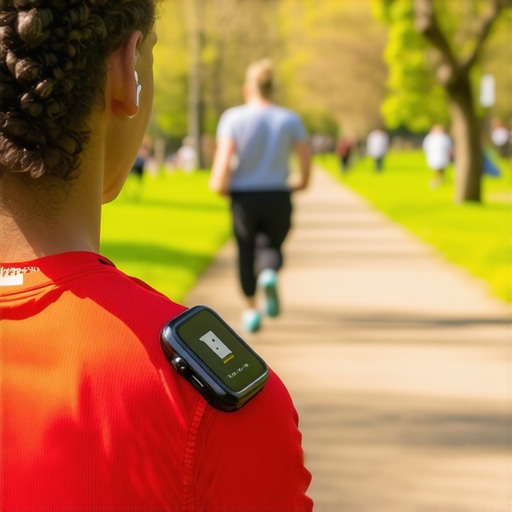
Use this high-res illustration of a person syncing their smartwatch with wireless earbuds during a workout, emphasizing tech integration for fitness optimization.
Many fitness enthusiasts and tech users believe that simply wearing the latest smartwatch or fitness tracker guarantees health improvements. However, this mindset overlooks several crucial nuances that can make or break your results. One common myth is that all wearables are equally accurate; in reality, device precision varies significantly, especially across different brands and price points. For example, studies show that lower-cost fitness trackers often overestimate steps and calorie burn, leading users to misconceptions about their actual activity levels. To truly benefit from your devices, it’s vital to understand their limitations and calibrate your expectations accordingly. Additionally, many users fall into the trap of relying solely on device metrics without integrating the data into actionable habits. Remember, a device is only as good as the way you interpret and utilize the insights it provides. Advanced users ask: How can I verify the accuracy of my wearables in real-world scenarios? The key lies in cross-referencing device data with manual checks or medical-grade tools—this helps identify discrepancies and ensures your health decisions are based on reliable information. According to a review by the Journal of Medical Internet Research, wearable accuracy can be significantly improved by configuring device settings properly and staying updated with firmware updates that address known bugs and improve algorithms. Furthermore, many believe that wearables alone can substitute for professional medical advice; this is a dangerous misconception. Devices are excellent supplementary tools but should not replace consultations with healthcare professionals. Lastly, consider the psychological impact of continuous tracking. Obsessing over every metric may cause anxiety or obsessive behavior, diminishing the overall benefits of wearable tech. Instead, use data as a guide, focusing on long-term trends rather than daily fluctuations. By understanding these nuances—accuracy variations, proper data interpretation, and psychological effects—you’ll harness your health tech’s true potential. For a deeper dive into how to optimize your devices, explore our *ultimate fitness tracker guide* or *the latest smartwatch innovations* for 2025. Want to boost your wearable insights further? Check out the top trends reshaping fitness goals this year. Have you ever fallen into this trap? Let me know in the comments.
Tools I Recommend for Reliable Wearable Performance
To ensure your health tech remains functional and accurate over years, investing in quality tools and practices is essential. I personally rely on regularly updating firmware via official apps, which not only patches bugs but enhances device accuracy. For instance, I use Fitbit’s official app on a weekly basis to verify that my fitness tracker is calibrated correctly and to review detailed health insights. Additionally, employing a dedicated charging station prevents forgetfulness and keeps devices always ready for daily use.
Regular Maintenance and Calibration
Consistent cleaning of sensors and screens with lint-free wipes prevents sweat and grime buildup that can impair readings. Some advanced devices, like certain smartwatches, offer calibration settings—actively verifying heart rate sensors against medical-grade equipment at least biannually reinforces confidence in the data. Following manufacturer guidelines for maintenance, such as replacing worn-out straps or wristbands, prolongs device life. By treating wearables as precision instruments, you’ll maximize their longevity and accuracy.
Future of Wearables Prediction
Looking ahead, wearable technology will become even smarter, incorporating AI-driven health assessments that adapt to your physiology over time. Expect devices to automatically calibrate themselves based on continuous learning, reducing user intervention. As example, recent breakthroughs in sensor miniaturization and machine learning algorithms—like those documented in the IEEE Journal of Biomedical and Health Informatics—are pushing these innovations forward, promising more accurate and personalized insights.
How do I maintain my health tech tools over time?
Develop a routine for firmware updates, sensor calibration, and device cleaning. Regularly review data logs to notice anomalies that may indicate device issues. Keep a logbook or digital tracker of maintenance milestones to ensure consistent care. This proactive approach minimizes inaccuracies and extends the lifespan of your gadgets, allowing you to rely on them for years to come.
Finally, I encourage you to explore the latest smartwatch innovations for active living in 2025, as staying informed on cutting-edge tech can dramatically enhance your wellness journey. Try scheduling monthly firmware checks and cleaning sessions—it’s a simple step that pays off in sustained performance. Ready to optimize your wearables? Start today, and enjoy the long-term benefits of reliable health tech!
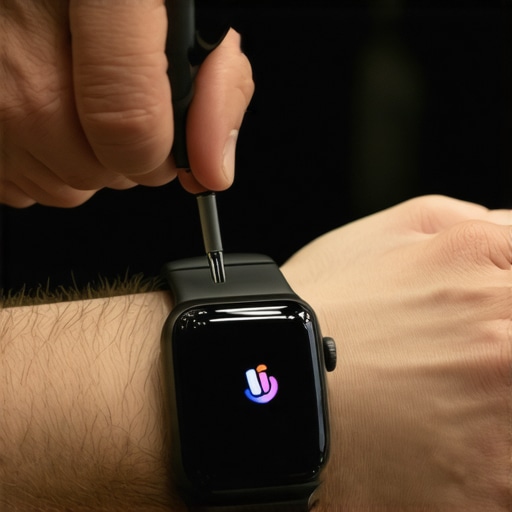
Close-up of a person performing routine maintenance on their smartwatch, illustrating effective care practices for longevity.
Lessons Only Insiders Truly Grasp About Wearables
One thing I discovered after years of experimenting with various health tech devices is that the biggest gains often come from understanding their quirks—like how heart rate sensors can be thrown off by skin tone or wrist position. Recognizing this saved me from false alarms and unnecessary anxiety. Additionally, I learned that syncing data regularly isn’t just housekeeping—it’s crucial for accurate trend analysis and meaningful progress tracking. Lastly, the myth that more features equate to better health outcomes? Debunked. Simplicity and tailored use are often more effective than overwhelming dashboards or excessive notifications.
My Must-Have Resources for Staying Ahead in Wearable Tech
To deepen my understanding, I rely on the comprehensive [Ultimate Guide to Wearables and Health Tech for 2024](https://wearables.techgearshowcase.com/the-ultimate-fitness-tracker-guide-for-health-enthusiasts), which offers practical insights and reviews. For keeping my devices functioning optimally, I trust manufacturer forums and firmware update announcements—vital for maintaining accuracy. When exploring trends, the [Top Wearable Tech Trends in 2025](https://wearables.techgearshowcase.com/top-wearables-and-health-tech-trends-to-watch-in-2024) gives me a future-focused perspective, preparing me to adapt and leverage new innovations in my wellness journey.
Your Next Chapter in Wearable Wellness Awaits
Embracing the true potential of health tech like smartwatches and wireless earbuds can transform not only your fitness routine but your overall well-being. Start small—properly sync your devices, set personalized goals, and interpret data meaningfully. The journey toward better health is ongoing, but with the right mindset and tools, it’s within your reach. Remember, technology is simply a partner—your commitment makes all the difference. Ready to see what you can achieve when you unlock your wearables’ full potential? Dive in today, and watch your wellness soar!
![5 Smart Socks That Fix Your Running Gait in Real-Time [2026]](https://wearables.techgearshowcase.com/wp-content/uploads/2026/02/5-Smart-Socks-That-Fix-Your-Running-Gait-in-Real-Time-2026.jpeg)

![3 Smartwatches That Finally Track Blood Oxygen While You Swim [2026]](https://wearables.techgearshowcase.com/wp-content/uploads/2026/02/3-Smartwatches-That-Finally-Track-Blood-Oxygen-While-You-Swim-2026.jpeg)