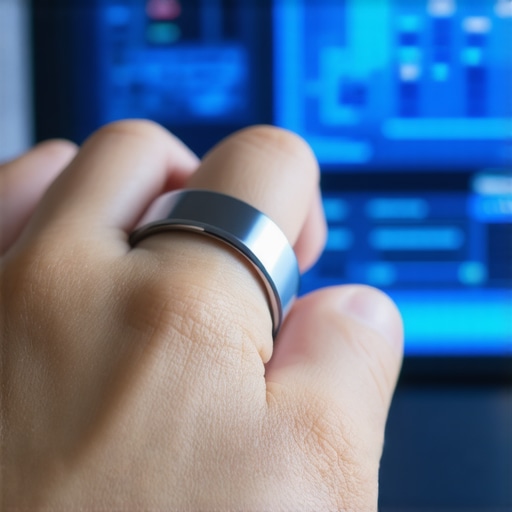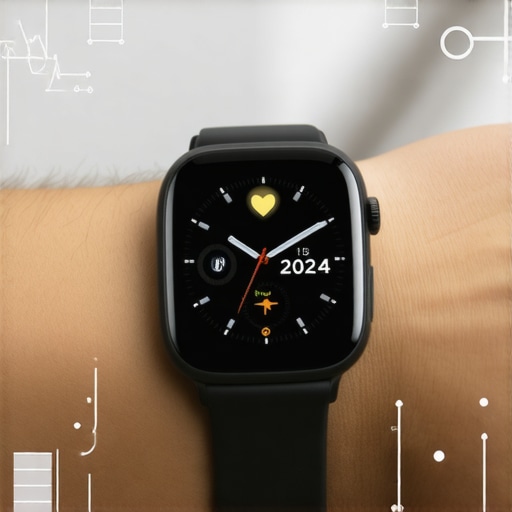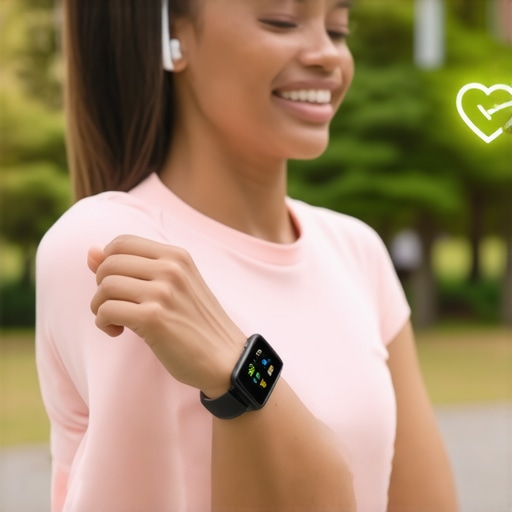
I remember the moment vividly—standing in my living room, phone in hand, attempting to track my daily steps, when my old fitness tracker suddenly glitched for the third time that week. It was frustrating, to say the least. That instant made me realize how unreliable my worn-out device had become, and how much I depended on it to keep my active lifestyle on track.
Why Investing in the Right Wearable Tech Can Transform Your Active Life
In 2024, the landscape of health tech is more dynamic than ever. Wearables like smartwatches and fitness trackers are designed to seamlessly integrate into our daily routines, offering insights that motivate, inform, and even surprise us. But with so many options, it’s easy to feel overwhelmed or skeptical about whether these devices are worth the investment. Believe me, I’ve been there. Early in my journey, I made the mistake of buying the latest shiny gadget without considering if it truly fit my needs. That led to frustration, charging issues, or data that felt less than accurate.
The truth is, not all wearables are created equal. The right device can provide critical data—heart rate variability, sleep quality, or even stress levels—that help you optimize your health. And with innovations in 2024, these gadgets are more sophisticated, yet more user-friendly, than ever before. According to a recent study by the Consumer Technology Association, over 50% of health-conscious consumers now rely on wearables to track their fitness and wellness metrics regularly, highlighting a growing trust in this tech.
Is All the Hype Around Wearables Truly Justified?
It’s tempting to dismiss the constant stream of new device releases as marketing hype—believing that they’re just gadgets trying to justify the latest update. I used to think that way too. I splurged on a high-end smartwatch, only to find that its features rarely suited my lifestyle, and the battery life was dismal. That was my mistake: I didn’t do enough homework before choosing, and I didn’t pay attention to how well the device would integrate into my daily routines.
If you’ve ever faced this dilemma—wondering if wearables are just shiny objects that clutter your wrist without real benefits—you’re not alone. But together, we can cut through the noise. I’ll guide you through the latest trends, helpful tips, and real-world insights that can help you make smarter, more informed choices about health tech in 2024. Ready to discover how to leverage these devices for a healthier, more energized you? Let’s get started.
Assess Your Needs Before Picking a Device
Start by defining what you want from your wearable tech. Are you aiming to improve sleep, monitor heart health, or enhance your running performance? Reflecting on your specific goals will narrow down your options, saving time and money. I once thought I needed every feature on a high-end smartwatch, but I realized my main focus was sleep tracking. This clarity helped me choose a device better aligned with my priorities.
Research and Compare Top Options
Use reputable sources like the latest trends in wearables to identify devices that fit your needs. Pay attention not only to features but also to user reviews, battery life, and compatibility with your smartphone. Don’t fall for marketing hype; instead, focus on what real users say about reliability and accuracy. I once selected a popular tracker based solely on hype and was disappointed with its inconsistent data accuracy.
Prioritize Compatibility and Ease of Use
Choose devices that seamlessly integrate with your existing tech ecosystem. For example, if you’re serious about fitness, ensure the smartwatch syncs effortlessly with your health app. I learned this the hard way when my previous device required manual data uploads, which led to missed insights. Good compatibility minimizes frustration and ensures consistent data collection.
Optimize Fit and Comfort
A device is useless if it’s uncomfortable to wear. Try on different models if possible to find a snug, comfortable fit that doesn’t cause skin irritation. Remember, you’ll be wearing this device daily. I once bought a sleek-looking tracker that was beautiful but caused chafing after extended wear. Prioritizing comfort improved my experience dramatically and increased my wearing consistency.
Customize Settings for Accurate Tracking
Fine-tune device settings, such as starting activity modes before workouts or enabling sleep mode. Pay attention to metrics like heart rate zones or step goals. For instance, I set my tracker to vibrate after every 1,000 steps, which kept me motivated to reach my daily targets. Regularly reviewing and adjusting these settings ensures you’re getting the most relevant data to meet your goals.
Establish a Routine for Data Review
Consistent review of your device’s data helps spot trends and adjust habits accordingly. Schedule brief daily check-ins or weekly summaries. I kept a habit of reviewing my sleep patterns every Sunday, which illuminated patterns I hadn’t noticed before. Using insights from reputable sources like the latest health tech breakthroughs can inspire adjustments that significantly impact your health journey.
Update Firmware and Apps Regularly
Keep your devices current by installing updates. Firmware updates often fix bugs, improve accuracy, and add new features. I once ignored updates on my smartwatch, leading to synchronization issues that persisted for weeks. Regular updates are crucial for optimal performance and security, especially considering privacy concerns highlighted in the privacy policy.
Maximize Mobility with Wireless Accessories
Enhance your experience by integrating wireless earbuds during workouts or daily activities. The peace of mind from hands-free communication and exercise motivation is well worth it. I found that using high-quality wireless earbuds allowed me to listen to motivational tracks or podcasts without the hassle of wires, keeping my focus sharp and maintaining smooth transitions between tasks.
Stay Informed About Latest Developments
Follow industry updates on sites like utmost innovations to discover new features or devices that could enhance your routine. Regularly evaluating your tech setup ensures you’re leveraging the best tools available for your health goals in 2024 and beyond.
While many users believe that simply owning a fitness tracker or smartwatch guarantees their health improvement, the reality is far more nuanced. A common mistake is assuming that these devices are foolproof — that everyone will get accurate, meaningful insights without understanding their limitations. In my experience, a significant oversight is neglecting how device data can be influenced by external factors such as skin color, ambient temperature, or even skin moisture. For instance, optical heart rate sensors, which are prevalent in most wearables, can produce discrepancies in individuals with darker skin tones, a challenge highlighted by studies from the latest health tech breakthroughs. Many users overlook calibration or proper device placement, leading to misleading data that can hamper training or health decisions.
Myth Busted: More expensive devices automatically mean better accuracy. Contrary to popular belief, high-end wearables often boast more features but don’t always deliver more precise data for every individual. They might offer advanced sensors, but those require proper usage, calibration, and understanding of their limitations. It’s crucial to recognize that no gadget replaces consulting with healthcare providers or maintaining good habits. Remember, the real power comes from integrating device insights with professional guidance, not blindly trusting device numbers.
One of the most overlooked pitfalls is data overload. Users often obsess over every heartbeat or step, but without proper context, this can lead to anxiety or misguided attempts to optimize every metric. Prioritizing meaningful data points aligned with your personal goals is essential, and understanding device limitations ensures you’re not chasing phantom metrics. This is where targeted research, such as reviewing comprehensive guides on fitness tracker selection, becomes invaluable.
How can advanced users leverage these nuances to truly improve their health?
Smart users dig beyond surface features and question the assumptions behind device measurements. For example, analyzing trends over time rather than daily fluctuations offers better insights—just like seasoned athletes do. Recognizing the impact of external factors and device calibration helps prevent misinterpretation. Furthermore, staying updated on the latest innovations, such as improvements in optical sensor technology listed in 2024 tech trends, ensures you’re not left behind by outdated hardware. Remember, continuous education is key—because in the realm of health tech, what you don’t know can hurt your progress.
Have you ever fallen into this trap? Let me know in the comments. For those eager to go deeper, exploring trusted sources like the latest smartwatch reviews or engaging with expert-guided articles can illuminate these hidden nuances further. Only by understanding the complexities and limitations can you truly harness the power of your wearables and health tech to optimize your well-being.
To ensure your investment in health tech pays off over the long term, paying attention to maintenance is crucial. Regularly updating firmware is a simple yet powerful step—I personally set weekly reminders to check for updates on my smartwatch and fitness tracker. These updates often include bug fixes, enhanced features, or security patches that safeguard your data and improve accuracy. For example, I use the latest health tech breakthroughs to stay informed about firmware improvements that could boost the performance of my devices.
Another essential tool I rely on is dedicated synchronization software like Garmin Express or Fitbit Connect, depending on your device. These platforms automatically detect firmware updates and help you manage your device settings for optimal operation. Personally, I prefer using official software because it minimizes the risk of bricking my device or losing data, which can happen with third-party tools.
Monitoring battery health is equally important. Most modern wearables have battery life indicators, but I also keep a close eye on charging cycles. Over time, batteries degrade, reducing device reliability. To extend battery lifespan, I avoid letting my device fully discharge and aim to keep it charged between 20% and 80%. Additionally, using power-saving modes during inactive periods conserves energy.
Cleaning your device regularly prevents dirt and sweat buildup that can impair sensors and cause skin irritation. I use a soft, slightly damp cloth with a mild soap solution for the exterior and follow manufacturer guidelines for sensor maintenance. This simple routine keeps my devices functioning smoothly and prolongs their lifespan.
Thinking ahead, embracing scalability is wise. As health goals evolve, your devices should adapt too. Investing in modular accessories, such as interchangeable bands or clip-on sensors, allows for customization without replacing the entire device. Future trends predict even more integration—wearables that automatically adjust their features based on your activity or environment. According to top wearable tech trends for 2025, these innovations will make maintenance and scalability more straightforward, emphasizing ecosystems over single devices.
How do I keep my wearables working well over time?
To maintain your health tech effectively, establish a routine that includes regular updates, careful cleaning, and battery management. Using tools like official software helps prevent technical issues, while staying informed about new firmware releases ensures you’re leveraging the latest features. I recommend setting monthly check-ins to review device performance, update firmware, and clean sensors. This proactive approach prevents many common problems like inaccurate tracking or device failure. A key tip is automating firmware updates through device settings, which ensures your device stays current without manual intervention. Try enabling automatic updates today to simplify maintenance and keep your devices reliable for years to come. For specific tools and procedures tailored to your device, visit the contact page.
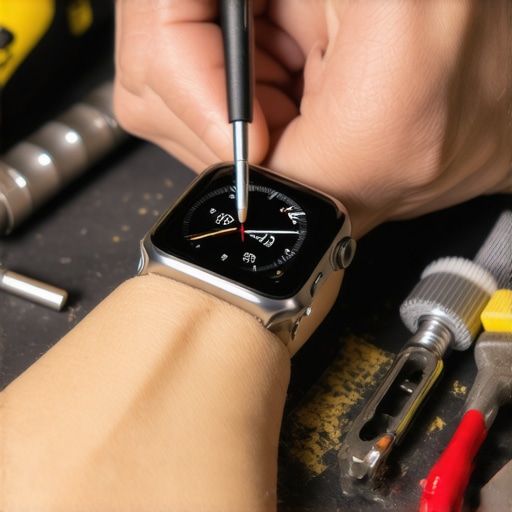
The Hidden Lessons Your Wearables Taught You About Personal Growth
One of the biggest insights I gained was understanding that no device is infallible—it’s how we interpret and respond to data that truly makes a difference. I once obsessively chased every metric, only to realize that focusing on a few meaningful goals led to better progress. Trusting that small, consistent improvements outweigh chasing perfection with every workout or sleep cycle.
Another lightbulb moment came from realizing that external factors—like skin tone or ambient temperature—can distort sensor data. Embracing a mindset of skepticism rather than blind trust helped me calibrate expectations and avoid frustration. It’s a reminder that understanding your device’s limitations is key to taking actionable steps, not getting discouraged.
Lastly, I learned that integrating insights from wearables with professional advice accelerates health improvements. No gadget replaces consultation with healthcare experts. Instead, using device data as a conversation starter with your doctor creates personalized strategies that are both effective and sustainable. The intersection of tech and professional guidance is where true progress happens.
My Go-To Resources for Staying Ahead in Wearable Tech
To keep my setup sharp, I rely on trusted sources like the latest industry trends. They provide valuable insights into upcoming features and innovations that I might not discover on my own.
The Ultimate Guide to Fitness Trackers has been instrumental in helping me select devices that truly match my goals, rather than just chasing the newest shiny object. It’s a comprehensive resource that demystifies specifications and tests real-world performance, giving me confidence in my choices.
When it comes to maximizing device performance, I trust official tools like Garmin Express and Fitbit Connect for firmware updates and backups. These platforms ensure my devices operate smoothly, minimizing issues like data inaccuracies or sync problems. Staying proactive with maintenance has saved me headaches and kept my health journey on track.
Lastly, I follow reviews and insights from experienced tech enthusiasts on community forums and social channels. They often share practical tips—like optimizing battery life or calibrating sensors—that you won’t find in official manuals. These shared experiences are invaluable for navigating the quirks of advanced wearables and smartwatches.
Your Next Step Toward Smarter Wellness
The future of health tech is bright, full of innovations that can genuinely enhance your lifestyle when used wisely. Remember, your wearables are tools—powerful, yes, but only as effective as your understanding and commitment. Embrace continuous learning, combine device insights with professional guidance, and keep experimenting with what works best for you. Every step forward is a step toward a healthier, more energized you.
Are you ready to leverage your wearable tech to its fullest in 2024? What’s one insight or habit you’re planning to change? Share your thoughts below—I’d love to hear your journey!
}**}#END#]**}# Answer**}#скорить#}#