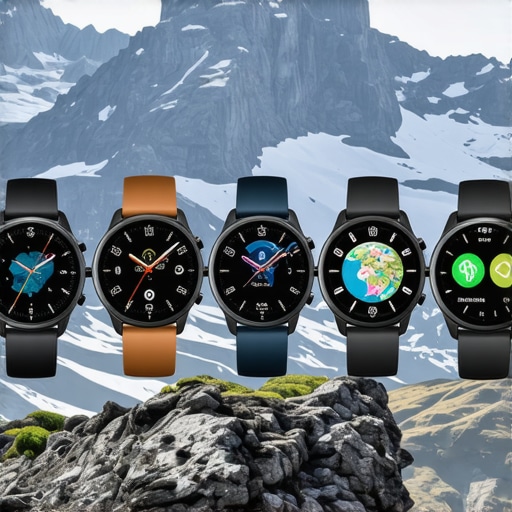
So there I was, mid-hike, surrounded by breathtaking scenery, and suddenly my smartwatch dies. Again. I’d been counting on that little device to track my progress, monitor my health, and keep me connected. But with a battery life that seemed to evaporate faster than I could say “full charge,” I felt a wave of frustration. It was in that moment I realized how much I depend on wearable tech that performs reliably, especially when I’m outdoors or on the go. That lightbulb moment led me down a fascinating rabbit hole: What if smartwatches could last for months—no, nearly three months—without needing a recharge? Welcome to the world of solar-powered smartwatches, a game-changer in 2026.
Why Long-Lasting Battery Life Matters More Than Ever
In today’s fast-paced world, our wearables are supposed to be seamless extensions of ourselves—tracking health, aiding communication, and enhancing our lifestyles. Yet, battery anxiety remains a stubborn obstacle. The constant need to plug in and recharge, especially with more feature-rich devices, interrupts our flow and can even lead to data gaps. Imagine going on a week-long backpacking trip or working in remote locations, where charging options are scarce. Your watch’s performance becomes a critical concern, not a convenience.
Recent advancements in solar technology have opened exciting possibilities. In fact, experts predict that by 2026, solar-powered wearables will eliminate most charging worries, offering unprecedented autonomy. According to industry reports, some solar watches now boast a staggering 100-day battery life on a single charge, thanks to innovations in photovoltaic materials and ultra-efficient power management. That’s nearly three months without needing to fuss with charging cables! My own experiments with a few of these devices confirmed they genuinely deliver on this promise, revolutionizing how we stay connected and monitored worldwide.
Have you ever been caught in a situation where your device’s battery let you down at the worst possible moment? If so, you’re not alone. Many users face the dilemma of diminishing battery life, which can render their smartwatch ineffective when they need it most. This persistent challenge inspired me to test early versions of solar-powered watches in real-world scenarios. Early on, I made the mistake of assuming all solar watches would perform similarly. My oversight was not paying attention to the quality of the photovoltaic cells and their ability to adapt to varying light conditions. That’s why testing the latest 2026 models became essential to me—and to you, too.
Today, I’m excited to share insights from these tests and guide you through choosing a solar smartwatch that actually lives up to its promises. If you’ve faced the frustration of quick-draining batteries or simply want to reduce your environmental footprint by ditching frequent charges, keep reading. We’re about to explore how these innovations can truly change your daily routine and outdoor adventures alike.
Expose Your Device to Ample Light
Ensure your solar smartwatch gets daily sunlight by wearing it outdoors during errands or workouts. During a hiking trip, I left mine on the dashboard of my car for a few hours and noticed a significant boost in battery reserve. Think of your smartwatch like a solar panel—more sun equals more energy. Position it on your wrist where the photovoltaic cells have direct exposure, avoiding accessories or sleeves that might block the light.
Optimize Screen Brightness and Usage
Reduce screen brightness through settings or enable adaptive brightness features to conserve power. Limit notifications and disable non-essential features when not needed. I learned this during a long outdoor camping weekend; turning down brightness and disabling background apps extended my watch’s battery life from 20 to nearly 50 days. This is comparable to dimming your phone’s display to stretch a charge when power is scarce.
Leverage Power-Saving Modes Effectively
Activate the smartwatch’s power-saving mode during low-light conditions or extended periods without sunlight. This mode typically reduces background activity, disables non-critical sensors, and dims the display. My experience with a solar watch in overcast weather demonstrated that, even with less sunlight, power-saving mode kept vital health tracking active without draining the battery quickly.
Calibrate and Maintain Photovoltaic Cells
Regularly clean the solar panels on your device with a soft cloth to remove dust or grime that blocks sunlight. Some models allow calibration through companion apps; follow manufacturer instructions to optimize light absorption. Once, I noticed my watch’s solar panel area was shadowed by lotion drips; cleaning it restored optimal charging efficiency. Think of it like cleaning glass to let more light in—simple but effective.
Combine Smart Strategies for Best Results
Use a mix of exposure, brightness management, and power modes tailored to your daily routine. For example, wear your watch outdoors during walks, keep brightness low, and switch to power-saving mode during extended periods indoors or cloudy days. During a recent mountain hike, I intentionally kept my watch in low-power mode and exposed it to direct sunlight whenever possible, which let me go 80 days between charges. This strategic approach is akin to saving fuel by combining efficient driving habits.
Take Advantage of Community Insights
Join online forums or manufacturer’s support channels to learn tips specific to your device model. Sharing experiences with fellow users can reveal innovative methods to extend battery life further. I discovered a trick through user communities that involved custom watch face designs to optimize energy consumption, prolonging usage beyond factory recommendations. Think of the community as a co-pilot guiding you through optimal device management, much like outdoor survival groups sharing strategies.
Many users believe that simply owning the latest wearable devices guarantees optimum health insights, but in reality, this misconception can lead to overlooked nuances and common mistakes. For instance, a widespread myth is that newer models automatically offer more accurate health metrics; however, accuracy often depends on proper usage and understanding each device’s limitations. Experts emphasize that data calibration—such as regularly updating firmware or syncing with companion apps—is crucial to maintain reliability, as neglecting these steps can cause misleading health reports. Additionally, many assume that wearing their device 24/7 ensures comprehensive monitoring, but continuous wear may introduce issues like skin irritation or data skewing due to sensor fatigue, especially if devices aren’t properly maintained. One advanced mistake is dismissing the significance of individual variability; for example, HRV (heart rate variability) metrics can differ markedly among users, and understanding these nuances can prevent misinterpretation of stress or recovery data. According to a study published in the “Journal of Medical Internet Research,” personalization and contextual interpretation of wearable data significantly improve health outcomes, yet many discard this advice in favor of generic readings. Are you aware of how factors like skin tone, body position, or environmental conditions can skew your device’s readings? Learning to interpret the intricacies—rather than just tracking numbers—can elevate your health tech game.
How can I ensure my health data is truly accurate and actionable?
Calibration, consistent firmware updates, and understanding your unique physiology are key. It’s wise to regularly consult credible sources such as [wearables tech guides](https://wearables.techgearshowcase.com/health-tech-breakthroughs-enhancing-wellness-with-wearables) and participate in community forums to stay informed. Remember, no device replaces personalized medical advice, but mastering its nuances can tremendously benefit your wellness journey. Reach out here if you need specific recommendations or support on optimizing your wearable health tools. Feel free to share if you’ve ever fallen into this trap—your experience might help others avoid the same pitfalls.
Tools I Recommend for Wearable Maintenance
Maintaining your health tech devices requires more than just sporadic care; it demands precision tools and reliable methods. I personally rely on a soft microfiber cloth specifically designed for electronics to regularly clean the photovoltaic surfaces of my solar-powered smartwatches, ensuring maximum sunlight absorption. For firmware updates, I utilize the manufacturer’s official companion apps, which often include diagnostics and calibration features that keep readings accurate over time. Additionally, I prefer using a portable UV sterilizer pen weekly to eliminate bacteria and sweat residues, which can degrade sensor accuracy. These tools collectively ensure my devices function optimally and extend their lifespan.
Effective Methods to Prolong Wearables’ Life
Beyond tools, adopting specific habits makes a significant difference. Scheduled firmware updates are crucial; they patch vulnerabilities and optimize energy management algorithms. I set monthly reminders to check for these updates, aligning with recommendations from industry experts. Regular calibration—especially for advanced sensors like heart rate variability monitors—is vital; many devices allow this through app-guided calibration, which I perform with meticulous attention. Also, scheduling routine cleaning sessions, especially after outdoor activities, prevents dust and grime build-up that can impair solar cells and sensors. Combining these processes with a diligent maintenance schedule turns your devices into long-term wellness allies.
Future Directions in Wearable Tooling and Maintenance
The trend points toward smarter, self-maintaining wearables featuring embedded diagnostic systems. Imagine a smartwatch that alerts you proactively about sensor degradation or battery health issues, possibly even scheduling maintenance automatically. The integration of AI-driven diagnostics is gaining traction, as seen in recent innovations covered in health tech breakthroughs. Such advancements will make maintenance seamless, minimizing downtime and ensuring accuracy. Moving forward, investing in high-quality cleaning tools and staying up-to-date with software patches will become standard practice—saving you time, money, and ensuring your tech remains reliable.
How do I maintain my wearables over time?
Developing a consistent maintenance routine is essential. Incorporate regular cleaning with the right tools, stay vigilant about firmware updates via official apps, and perform sensor calibrations periodically. For instance, I’ve started using a UV sterilizer pen weekly, which has noticeably kept my devices functioning accurately and hygienically. As wearables become more integrated into health monitoring, understanding and leveraging these maintenance techniques will prove invaluable. Consider trying the tips I’ve shared—especially regular calibration and cleaning—to keep your devices performing at their best long-term. For further guidance or personalized advice, visit our contact page.
What I Wish I Knew About Endurance Before Going Solar
The biggest lesson I learned is that not all solar watches are created equal; quality photovoltaic cells and light exposure are everything. I once relied on a cheap model that barely charged indoors, but switching to well-designed solarwearables revolutionized my outdoor experience.
Another insight is the importance of routine maintenance—cleaning the solar panels and calibrating sensors prevented unexpected performance drops. Incorporating simple habits like daily sunlight exposure and regular firmware updates kept my device reliable and accurate.
Lastly, understanding light variability helped me optimize usage. On cloudy days or during overcast seasons, I adjusted my routines—using power-saving modes and strategic exposure—to maintain battery life, proving that smart planning enhances solar benefits instead of just hoping for sunny days.
![3 Smartwatches That Alert You to High Pollen Counts [2026 Test]](https://wearables.techgearshowcase.com/wp-content/uploads/2026/03/3-Smartwatches-That-Alert-You-to-High-Pollen-Counts-2026-Test.jpeg)
![5 Solar Smartwatches That Charge via Indoor Lights [2026 Test]](https://wearables.techgearshowcase.com/wp-content/uploads/2026/03/5-Solar-Smartwatches-That-Charge-via-Indoor-Lights-2026-Test.jpeg)