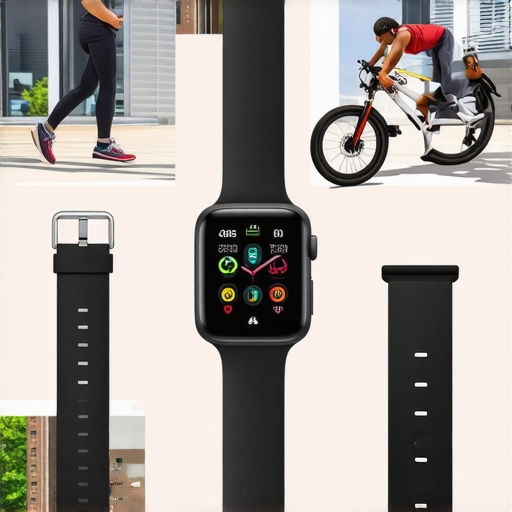
I remember the moment clearly. I was struggling with my daily fitness routine, feeling more exhausted and less motivated than ever. Despite trying different diets and workout plans, nothing seemed to stick. Then, I realized that I was missing something crucial: the right wearable technology to truly understand my body and guide my fitness journey.
This lightbulb moment led me down a fascinating rabbit hole of health tech innovations. Today, I want to share how the latest wearables and fitness tech for 2024 can transform your approach to health and wellness. Whether you’re a seasoned athlete or just starting to prioritize your wellbeing, the right gadgets can make all the difference.
Why Now Is the Perfect Time to Upgrade Your Fitness Tech
In recent years, the health and wellness industry has undergone a revolution, thanks to breakthroughs in wearable technology. These devices are no longer just step counters; they are comprehensive health monitors, personalized coaches, and data-driven tools that empower you to take control of your health. According to a recent study by Statista, the global wearable market is projected to reach over $50 billion in 2024, highlighting the rapid adoption and innovation in this field.
But with so many options flooding the market, how do you choose the right gear? Are all wearables created equal? These are common questions I faced early on, and I learned some valuable lessons the hard way—like rushing into a purchase without understanding my specific needs or ignoring the importance of data privacy.
Now, I’m here to help you navigate this landscape. In the sections ahead, we’ll explore the most exciting trends, the best devices for 2024, and practical tips to ensure you get the maximum benefit from your investment. Ready to upgrade your health journey? Let’s dive in.
Question: Is the Latest Wearable Tech Actually Worth the Hype?
Early in my journey, I bought a popular fitness tracker without doing much research. It looked sleek, but I soon realized it didn’t provide the insights I needed, and I felt disappointed. That’s a mistake I see many make—buying based on brand names rather than features or compatibility with their lifestyle. The good news is, with the right information, you can avoid this trap and find devices that truly enhance your wellness.
If you’re curious about what the future holds, check out our detailed guides on best wearables for health monitoring in 2024 and discover the game-changing innovations coming your way.
Identify Your Specific Fitness Goals
Start by pinpointing what you want to achieve—whether it’s running a marathon, improving sleep quality, or tracking daily activity. I once aimed to monitor my sleep patterns more accurately, which led me to explore sleep-specific wearables like the Oura Ring. Clarifying your goals helps you choose the right device, avoiding the mistake of buying generic gadgets that don’t serve your purpose.
Select the Right Wearable Devices
Research devices that align with your goals. For example, if you’re focused on heart health, opt for a smartwatch with advanced ECG features like the Apple Watch Series 9. For comprehensive fitness tracking, consider options listed in best wearables for health monitoring in 2024. Remember, not all devices are equal—some excel in tracking specific metrics, while others provide broader insights.
Compare Features and Compatibility
Use comparison tools to evaluate battery life, sensors, app integrations, and data privacy policies (review privacy policies). I once bought a device that didn’t sync well with my phone, leading to frustration. Ensuring compatibility with your existing tech ecosystem is crucial for seamless data collection and analysis.
Set Up and Personalize Your Device
Proper setup is key. Follow manufacturer instructions meticulously—this includes calibrating sensors and customizing notifications. When I first set up my Fitbit, I spent extra time adjusting settings to focus on sleep and activity alerts, which made a noticeable difference in my daily routines.
Leverage Data for Actionable Insights
Connect your device to companion apps and review the data regularly. Look for patterns—such as consistent sleep disruptions or elevated heart rates—that inform your health decisions. For example, I discovered that my evening screen time was affecting sleep quality, prompting me to set a digital curfew. Use insights to adjust your habits, making your tech investments truly effective.
Integrate Additional Gadgets
Enhance your setup with accessories like wireless earbuds for better communication and motivation, as discussed in wireless earbuds that transform listening and communication. These can boost your overall experience, making workouts more engaging and productive.
Regularly Review and Adjust
Technology evolves, and so should your fitness plan. Set monthly check-ins to evaluate progress and recalibrate devices or goals as needed. I once noticed my step count data was skewed because I was wearing a device too loosely. Fine-tuning the fit improved accuracy, which helped me stay motivated and on track.
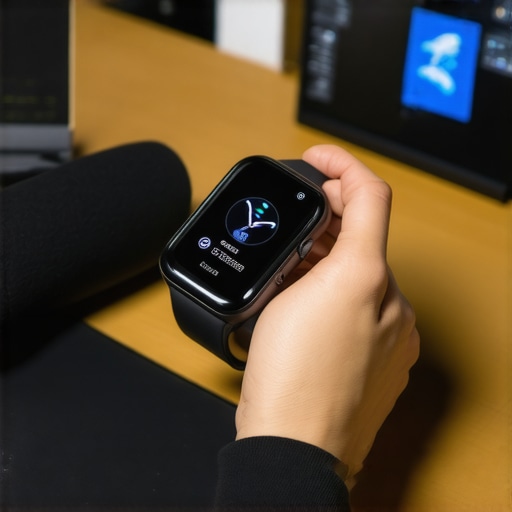
Use a high-quality image showing a person setting up a wearable device, emphasizing the personalization process for better engagement.
Many fitness enthusiasts and even seasoned athletes often believe that simply owning the latest wearable device guarantees better health results. However, this is a misconception rooted in the oversimplification of what wearable technology can truly deliver. Let’s dig deeper into the nuances that most people overlook, or worse, misunderstand, about advanced health wearables in 2024.
One prevalent myth is that more data automatically translates into better health insights. While having access to detailed metrics like heart rate variability or sleep stages is valuable, the real challenge lies in interpreting this data correctly. Many users get overwhelmed or misled by raw numbers without understanding the context or what actionable steps to take. This often leads to frustration and, ultimately, abandonment of the device. According to research published in the Journal of Medical Internet Research, the effectiveness of wearables hinges on how well users can translate data into meaningful health strategies, not just on the volume of data collected.
Are All Metrics Created Equal? A Deeper Dive
Another mistake is equating all tracked metrics with equally important health indicators. For instance, tracking step count is useful, but it’s often overemphasized at the expense of more critical aspects like heart health or sleep quality. Many devices now boast a multitude of sensors, but not all sensors are equally accurate or relevant for every user. For example, optical heart rate sensors can be inaccurate during high-intensity workouts, especially for individuals with darker skin tones, due to limitations in sensor technology. Recognizing these nuances helps users avoid relying on flawed data and makes their health decisions more evidence-based.
Furthermore, many users fall into the trap of focusing solely on quantitative metrics—like step count or calorie burn—without considering qualitative factors such as mental health or stress levels. Wearables like the latest smartwatches and rings now include stress monitoring features, but interpreting these readings requires understanding the broader context of one’s lifestyle. Without this, users might dismiss genuine stress signals or overreact to minor fluctuations, which can do more harm than good.
Have you ever fallen into this trap? Let me know in the comments.
Lastly, a critical but often overlooked aspect is data privacy. As devices become more sophisticated and collect sensitive health data, many users underestimate the risks involved. It’s essential to review privacy policies carefully—something I learned the hard way early on. Trusting a device without understanding how your data is stored, shared, or protected can lead to serious privacy breaches. For more insights on this, check out our detailed guide on privacy policies of wearable tech.
In conclusion, while wearable technology in 2024 offers unprecedented insights, its true value depends on understanding its limitations, interpreting data correctly, and safeguarding your privacy. Don’t fall into the trap of assuming that more data equals better health—sometimes, less is more, and context is everything.
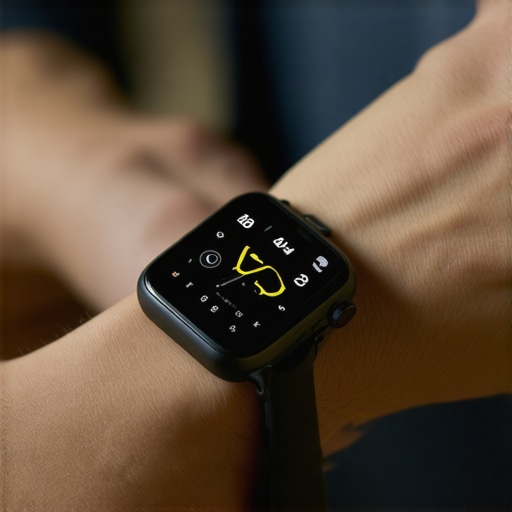
High-quality image showing a person analyzing their wearable device’s data, emphasizing the importance of interpretation and context in health monitoring.
How do I maintain my wearable devices over time?
Maintaining your health and fitness tech is crucial to ensuring consistent performance and longevity. Personally, I rely on a few specialized tools and methods to keep my devices functioning optimally. First, I always keep my firmware and app software up to date. Manufacturers often release updates that fix bugs, improve accuracy, and add new features—making it essential to install these regularly. I enable automatic updates whenever possible to avoid neglecting this step.
Second, regular cleaning is vital. Sweat, dirt, and oils can accumulate on sensors and charging contacts, impairing device accuracy. I use a soft, slightly damp cloth and avoid harsh chemicals that might damage sensitive parts. For devices like smartwatches and rings, I pay close attention to the sensors, ensuring they are free of debris. This simple routine greatly extends the lifespan of my gadgets and maintains measurement precision.
Third, I invest in quality accessories. For example, I use a protective case for my smartwatch and a charging dock designed specifically for my device. These protect against accidental drops and make charging more convenient. I also ensure that my charging cables and docks are original or certified, which helps prevent damage caused by subpar accessories. A reliable charging setup prevents unexpected outages and battery issues.
Fourth, I periodically review the device’s settings and calibration. For instance, I recalibrate my heart rate monitor every few months, especially after software updates or if I notice discrepancies in data. Some devices even allow manual calibration, which I find helpful in maintaining accuracy. This proactive approach minimizes errors and ensures my data remains trustworthy.
Lastly, I back up my data regularly and review privacy settings. As you can imagine, your health data is sensitive, so I visit privacy policies and configure my device to share only what’s necessary. Keeping my data secure gives me peace of mind and helps me stay focused on my health goals.
In the future, I believe this maintenance routine will become even more streamlined with AI-driven diagnostics that alert you to potential issues before they escalate. For now, sticking to these simple tools and methods ensures my devices remain reliable companions on my wellness journey. I highly recommend trying out a dedicated cleaning schedule and enabling automatic updates—small steps that pay off big in long-term device performance.
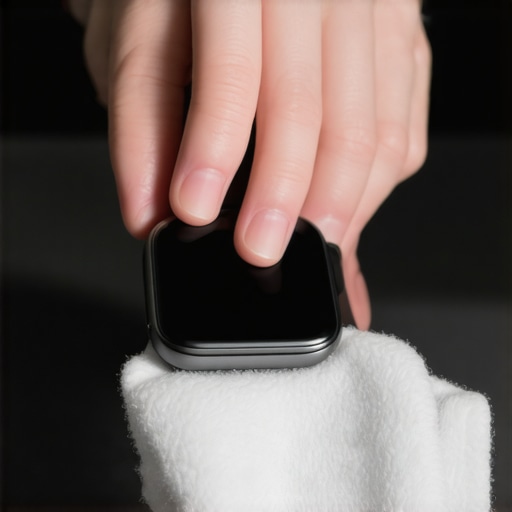
Image of a person cleaning their smartwatch with a soft cloth, emphasizing regular device maintenance for longevity and accuracy.
The Hardest Lesson I Learned About Wearable Tech
One of my biggest mistakes was assuming that owning the latest device would automatically improve my health. It took me months of misinterpreting data and neglecting proper setup to realize that understanding my goals and how to use the data effectively is crucial. The lesson? Tech is only as good as the user’s ability to leverage it.
3 Myths About Wearables That Held Me Back
I believed that all metrics were equally valuable and that more data meant better insights. It’s not true. Focusing on relevant metrics like sleep quality or heart rate variability, and understanding their context, made a huge difference in my progress. Don’t get distracted by the shiny features—prioritize what truly matters for your health.
What Experts Won’t Tell You About Wearable Devices
Many overlook the importance of data privacy. Trusting a device without understanding how your health data is stored or shared can lead to privacy breaches. Always review privacy policies and set your data sharing preferences carefully. Protecting your health information is just as important as tracking it.
Curated Recommendations: My Essential Toolkit for Wearables in 2024
First, I swear by the best wearables for health monitoring in 2024 because they combine accuracy with user-friendly interfaces. Second, the Ultimate Guide to Wireless Earbuds & Smartwatches helps me integrate devices seamlessly into my daily routine. Lastly, I stay updated with top wearable tech trends in 2025 to anticipate innovations and stay ahead.
Your Turn to Embrace the Future of Wearable Tech
Remember, wearable technology in 2024 is a powerful tool, but its true value comes from your understanding and intentional use. Start small, stay curious, and keep learning. Your health journey is uniquely yours, and the right tech can be a game-changer. Don’t wait—take the first step today and see how far you can go with the right tools at your side.
What’s the most valuable insight you’ve gained from your own wearable devices? Share your experience below!
![5 Smart Socks That Fix Your Running Gait in Real-Time [2026]](https://wearables.techgearshowcase.com/wp-content/uploads/2026/02/5-Smart-Socks-That-Fix-Your-Running-Gait-in-Real-Time-2026.jpeg)

![3 Smartwatches That Finally Track Blood Oxygen While You Swim [2026]](https://wearables.techgearshowcase.com/wp-content/uploads/2026/02/3-Smartwatches-That-Finally-Track-Blood-Oxygen-While-You-Swim-2026.jpeg)
Lily Anderson
Reading this post really resonated with my experience on my fitness journey. I used to rely solely on step counting, but I realized that understanding metrics like sleep quality and heart rate variability made a big difference. I remember investing in a smartwatch with lots of features, but it wasn’t until I learned to interpret the data and set realistic goals that I truly saw progress. One challenge I’ve faced is staying consistent with device calibration and data review—it’s easy to overlook these steps. For anyone looking to maximize their wearable’s potential, I recommend setting monthly check-ins to reassess your goals and device settings. Has anyone found effective methods to stay motivated and regularly review their health data without feeling overwhelmed? It’s such a crucial part of making these gadgets work for us, not against us.
Jameson Carter
This post really hits home for me. Like many, I was initially drawn to wearable tech for the flashy features and stats, but I quickly realized that without understanding and interpreting the data correctly, I wasn’t making the most of its potential. I once bought a high-end smartwatch, but my lack of process for regular calibration and review left me frustrated because the data seemed off during workouts. Since adopting a more disciplined approach—like weekly reviews and customization—I’ve seen tangible improvements in my health markers. I wonder, how do others find balance in reviewing data without becoming overwhelmed or obsessed? I’ve started setting specific weekly goals based on my insights, but I’m curious about other strategies to maintain motivation and consistency.
Sophie Jameson
This post really underscores how vital it is to choose the right wearable and understand its data, rather than just having the latest device. I’ve experienced the same frustration after buying a sleek fitness tracker, only to realize I wasn’t interpreting the metrics correctly. It took me some time to learn to focus on sleep quality and heart rate variability, which genuinely improved my routines. One thing I noticed is that setting specific, measurable goals helps me stay consistent with reviewing the data without feeling overwhelmed. For example, I do a weekly check-in where I look at sleep patterns and adjust my bedtime accordingly. How do others balance in-depth data review with everyday life? I’d love to hear tips on maintaining motivation and making data analysis more manageable. The key seems to be in turning insights into small, actionable changes rather than obsessing over every metric.
Evan Mitchell
This post really hits close to home for me. I’ve been using wearables for a couple of years now, and I’ve noticed that the key isn’t just owning the latest device, but really understanding how to interpret the data. I used to fall into the trap of obsessively tracking every metric, which sometimes led to unnecessary stress, especially when the data didn’t match how I felt. Over time, I learned to focus on specific indicators like sleep quality and recovery time, which have given me tangible improvements in my health. My biggest challenge has been maintaining a consistent review routine without feeling overwhelmed. I’ve found that setting a weekly ‘data check’ on Sunday evenings works well. How do others here balance detailed review with everyday life? Any tips on staying motivated without getting bogged down by the numbers? This balance seems crucial for making tech a helpful tool rather than a source of frustration.