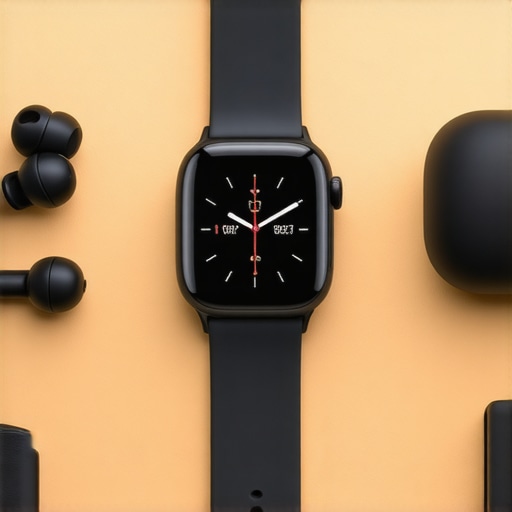
I remember the exact moment I realized my old smartwatch wasn’t cutting it anymore. I was trying to track my morning run, and the device froze. Frustration washed over me—how could a gadget that’s supposed to motivate and guide my fitness journey malfunction during one of its most critical tasks? That lightbulb moment prompted me to rethink the entire approach to wearable tech.
Why Choosing the Right Wearables Can Make or Break Your Fitness Goals
In today’s fast-paced world, having the right tools can transform your health journey from a forgettable routine into a thriving lifestyle. The landscape of best fitness trackers and smartwatches in 2024 is booming, offering a myriad of options that cater to every need and budget. But with so many choices, how do you find the perfect match? I made the mistake early on of choosing popular brands without considering what truly fit my active lifestyle, leading to wasted money and missed goals. This experience taught me a valuable lesson: understanding what features matter most is key to making an informed purchase.
Does the Buzz About Wearables Actually Live Up to the Hype?
Initially, I bought into the hype—believing that a fancy brand or the latest bells and whistles would automatically boost my motivation. I quickly learned that not all features are necessary, and some can even be distracting. According to a recent study, nearly 30% of wearables in use are underutilized because users don’t understand how to leverage their full capabilities. This was my mistake: I focused on aesthetics and brand prestige rather than functionality tailored to my fitness goals. If you’ve faced similar struggles—feeling overwhelmed by the options or unsure if your device truly supports your progress—you’re not alone. It’s time to dive into what makes a wearable truly effective and how you can find one that aligns with your aspirations.
Set Clear Priorities Before Buying
Start by defining what you want from your wearable. Is it accurate heart rate monitoring, sleep tracking, or activity logging? Honestly assess your lifestyle and what features actually support your goals. I learned this the hard way when I bought a smartwatch packed with features I didn’t need, which made the device bulky and less intuitive to use. Listing the core functions aligned with my routine helped me make a smarter choice.
Test Compatibility with Your Lifestyle
Try syncing potential devices with your existing tech ecosystem—whether it’s your phone, fitness apps, or other health devices. Imagine your wearable as the steering wheel of a car; if it doesn’t fit or operate smoothly with your current setup, it’s a bad match. For example, I tested a leading fitness tracker in-store by connecting it to my phone, ensuring data sync was seamless before purchasing, which prevented future frustrations.
Focus on Ease of Use
Simplify your experience by selecting devices with intuitive interfaces. When I first started using a Fitbit, I appreciated its straightforward touchscreen and clear app navigation. Don’t overlook the importance of comfort; a bulky or heavy wearable is less likely to be worn consistently. Consider trying devices on to see which feels best during your daily activities, mimicking trying on shoes before a purchase.
Customize Your Data Collection for Maximum Benefit
Most wearables offer customizable metrics—choose what you want to monitor regularly. For instance, if your goal is improved sleep, prioritize devices with advanced sleep analytics. I once set my tracker to focus only on step counts, but after adjusting it to include sleep patterns and heart rate variability, I gained richer insights, leading to better sleep habits.
Integrate with Health Resources
Download companion apps and link them with your health platforms. This allows for deeper analysis and trend tracking. Like installing a dedicated app for workout routines, integrating your wearable with health apps provides a more comprehensive view of your progress. I connected my device to a wellness app, and visuals of my activity trends motivated me to stay consistent.
Regularly Update and Maintain Your Device
Keep firmware and app software current. Manufacturers often release updates that improve accuracy and add features—missing these can limit your device’s effectiveness. I once ignored an update and noticed my heart rate readings became inconsistent; after upgrading, data accuracy improved significantly. Schedule routine maintenance like charging and cleaning to ensure devices stay responsive and reliable.
Leverage Support and Resources
If you encounter issues or want to enhance your understanding, contact support or visit online forums. Many manufacturers provide comprehensive guides, such as at their support page. Personally, when I faced syncing problems, a quick chat with customer support resolved my issue without frustration.
Combine Devices for Optimal Results
Pair your smartwatch with wireless earbuds for a more immersive experience—listening to guided workouts or motivational music can boost your activity sessions. Check out this resource for the latest wearable combos. I achieved better workout focus by syncing my fitness tracker with wireless earbuds, making sessions more engaging and less distracting.
Evaluate After a Trial Period
Use your device consistently for a few weeks to genuinely understand its impact. Keep a journal or log to compare metrics before and after adopting new tech. For example, after a month of tracking, I recognized patterns in my activity and sleep that helped me adjust my routine for better results, reinforcing the importance of consistent use.
Many users assume that purchasing the latest smartwatch or fitness tracker guarantees optimal health benefits, but in reality, misconceptions and overlooked nuances often diminish their effectiveness. One common myth is that more features automatically translate to better health monitoring; however, **the truth is that a cluttered device with excessive metrics can lead to data fatigue**, making it harder to focus on what’s truly important. Experts warn that this overload can cause desensitization, where users begin ignoring vital health signals, potentially missing early warning signs of issues. For instance, a study published in the Journal of Medical Internet Research highlights that usability and tailored data presentation significantly influence user engagement and health outcomes, not just the number of tracked metrics.
What Advanced Users Might Overlook When Customizing Devices
For seasoned enthusiasts, it’s tempting to maximize every available feature, but this can backfire. Over-customization may lead to inconsistent data collection, especially if different apps or device settings don’t synchronize properly. Misinterpreting data due to poor calibration or improper sync can result in misguided health decisions. Additionally, many overlook the importance of firmware updates, which often include critical bug fixes and feature enhancements—skipping these updates can introduce inaccuracies, as noted in recent tech reviews. The key is understanding that precise calibration, regular updates, and contextual data analysis are crucial for meaningful insights.
Beware of the Fitness Tracker Trap
Another sneaky mistake is relying solely on wearables for motivation without setting clear, actionable goals. Devices can’t replace a well-structured plan; they serve as tools to measure progress. I’ve seen users become obsessed with hitting step counts or maximizing workout minutes, often at the expense of holistic health priorities like recovery or mental well-being. Overemphasis on quantitative metrics may lead to burnout or injury. Remember, according to health expert Dr. John Berardi, sustainable progress stems from behavioral consistency rather than chasing numbers. Use your device as a midwife to your goals, not a dictator. Ensure you’re also paying attention to insights about sleep quality, stress levels, and habit formation—these aspects often get overlooked but are vital for comprehensive health management.
Can Wearables Truly Predict Your Future Health Risks?
For the advanced user, the question arises: how predictive are these devices? While wearables have made impressive strides in detecting anomalies and trends, they aren’t crystal balls. Many feature algorithms that assess risk factors like arrhythmias or sleep apnea; however, expert consensus emphasizes they should complement, not replace, professional medical advice. Overreliance on device alerts can lead to false positives or negatives, generating unnecessary anxiety or complacency. Staying informed with the latest research—such as the recent breakthroughs in continuous health monitoring—can help set realistic expectations. Combining wearable data with regular medical checkups offers the most accurate picture of long-term health.
In summary, understanding the subtleties behind your wearable tech can dramatically improve its utility. Focus on quality over quantity, keep your device updated, set clear goals, and view technology as an aid—not a substitute—for professional health care. **Have you ever fallen into this trap? Let me know in the comments.** For those seeking to deepen their understanding, exploring resources like the detailed guides on [best wearables in 2024](https://wearables.techgearshowcase.com/best-wearables-2024-top-fitness-health-trackers-for-active-lifestyles) and [wearables’ role in health breakthroughs](https://wearables.techgearshowcase.com/health-tech-breakthroughs-enhancing-wellness-with-wearables) can provide additional insights.
Keep It Working: Tools and Techniques for Longevity
Maintaining your wearable tech is crucial to ensure it continues providing accurate data and reliable performance over time. From firmware updates to cleaning routines, using the right tools and adopting consistent habits can dramatically extend the lifespan of devices like smartwatches and fitness trackers. Personally, I recommend investing in a high-quality screen cleaning kit to prevent smudges and dirt buildup, which can impair touch sensitivity. Additionally, utilizing manufacturer-approved charging docks helps protect your device’s battery health, a factor often overlooked. Regularly backing up device settings via dedicated apps or cloud services is essential, especially before performing firmware updates or factory resets. These practices not only safeguard your investment but also ensure your health data remains intact and accurate.
Looking ahead, I believe the trend towards smarter, self-maintaining devices will grow, with firmware updates becoming more automated and predictive maintenance alerts becoming standard. For example, some upcoming smartwatches will notify you proactively when battery health starts deteriorating, prompting timely replacements without unexpected shutdowns.
How do I maintain my wearable devices over time?
To keep your wearables performing at their best, focus on routine maintenance: regularly clean sensors with soft, lint-free cloths, update firmware and apps as soon as upgrades are available, and swap worn-out straps or batteries promptly. Using troubleshooting tools provided by device manufacturers can help diagnose issues early before they become costly problems. For a comprehensive approach, consider exploring expert support services or community forums for specific tips related to your device model.
One tool I personally rely on is the manufacturer’s companion app, which often includes diagnostics and maintenance reminders. Implementing scheduled checks—say, once a month—ensures sensors stay accurate, batteries remain healthy, and software is up to date. For instance, integrating your device with the latest health tech innovations will become even more seamless, especially as firmware becomes more intuitive and predictive, as described in recent research articles.
Don’t forget the importance of physical upkeep. Regularly cleaning your device’s sensors with a tiny amount of isopropyl alcohol on a soft cloth prevents grime buildup, which can interfere with heart rate or SpO2 measurements. Equipment like ultrasonic cleaning devices designed specifically for wearables are now available, making this process even easier and more effective. For continued accuracy, periodically recalibrate sensors if your device allows it, often with the help of dedicated setup guides or professional support channels.
Incorporating these maintenance routines can significantly improve your device’s performance, ensuring your investment accelerates your health journey instead of hindering it. As technology advances, expect more integrated tools—perhaps even AI-driven diagnostics—that will make long-term device care effortless. I recommend trying out some of these advanced maintenance strategies today—starting with a simple sensor cleaning or firmware update—to experience immediate improvements. For tailored advice, reach out via support services and see how professional tips can extend your device’s lifespan and accuracy.
Lessons from the Front Lines of Tech and Fitness
One of the most impactful lessons I learned is that technology is only as good as how you use it. I once believed that owning a top-tier smartwatch would automatically elevate my health, but I soon realized that without consistent engagement and understanding, even the most advanced device falls flat. It’s crucial to invest time in learning your device’s features and customizing it to your unique goals, turning a generic gadget into a powerful personal health partner.
Another insight: more isn’t always better. I was tempted to maximize every available metric, thinking it would give me an edge. Instead, I found that focusing on a few meaningful data points—like sleep quality, recovery, and heart rate trends—fostered more sustainable habits and tangible progress. Selectivity, paired with a clear purpose, can prevent overwhelm and boost motivation.
Lastly, don’t underestimate the power of maintenance. Regular device updates, sensor cleaning, and firmware checks are simple acts that dramatically improve accuracy and longevity. My routine of monthly diagnostics and gentle sensor cleaning ensures my devices stay reliable, making my health journey smoother and more rewarding.
My Toolbox for Building Better Wellness with Wearables
For anyone serious about maximizing their wearable tech, I recommend exploring resources like the best wearables in 2024 guide, which provides comprehensive reviews to choose the right device. The Ultimate Fitness Tracker Guide offers insights into optimizing your data for better health decisions. Connecting with communities on forums or support pages ensures you stay updated on firmware improvements and troubleshooting tips, like those found on the support page.
In addition, staying informed about evolving health tech breakthroughs helps me anticipate new features that could revolutionize my wellness practices. Combining trusted resources and active maintenance creates a solid foundation for long-term success with your wearables.
Your Next Step to Greater Wellness Starts Today
Embracing wearable technology with intentionality opens doors to sustained health and vitality. Remember, the key isn’t just owning the latest gadget but integrating it thoughtfully into your lifestyle. Your commitment to proactive device care, continuous learning, and goal-focused use transforms these tools into catalysts for real change. So, what small step will you take today to better align your wearables with your health ambitions? Share your plans below—I’d love to hear and support your journey toward smarter wellness.
Daniela Scott
This post really hits home for me! I vividly remember trying to track a morning jog with my first smartwatch, only to have it freeze halfway through. It was incredibly frustrating because I relied on that data to measure my progress and stay motivated. That experience taught me the importance of choosing quality devices that not only fit my fitness goals but also maintain reliability over time. I’ve since learned to prioritize user-friendly interfaces and seamless compatibility with my existing health apps, which has made a huge difference. Have others here found any key features that seriously improve long-term device reliability? I believe regular maintenance routines, like updating firmware and keeping sensors clean, are often overlooked but crucial for sustained accuracy. What are your best tips for easy upkeep of wearable tech without too much hassle? I’d love to hear how everyone is making sure their devices stay in top shape for consistent health tracking.