
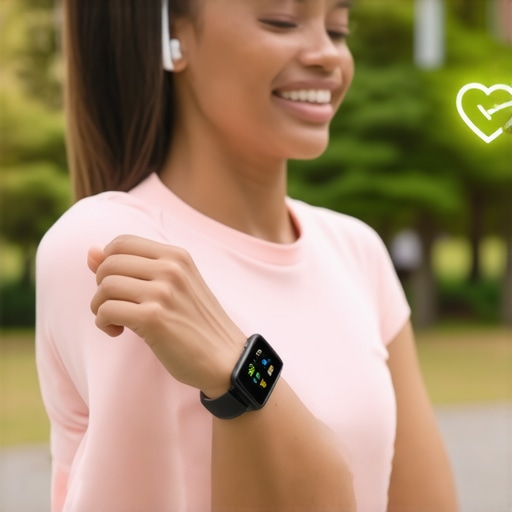
I remember the exact moment it hit me. I was running late for a meeting, already feeling behind, and I glanced at my wrist. Instead of just telling time, my smartwatch buzzed with a notification—my heart rate had spiked during a quick sprint to catch the bus. That was my lightbulb moment. I realized that wearable tech isn’t just about showing off the latest gadgets; it’s about truly understanding my health in real-time. Since then, I’ve become obsessed with finding the best smartwatches and wearable devices that can keep pace with my active lifestyle and help me hit my fitness goals.
Why Wearable Tech Matters More Than Ever in 2024
In today’s fast-paced world, health monitoring tools have transitioned from luxury to necessity. According to a recent study, over 70% of consumers now prioritize health tech for daily wellness management. These devices aren’t just trendy accessories—they’re vital tools that provide continuous health insights, motivate us to stay active, and even alert us to potential health issues before symptoms appear. For someone like me, who was initially skeptical, wearable tech has become an indispensable part of my routine.
Question: Is Wearable Tech Actually Worth the Hype?
Early in my journey, I made a mistake that many beginners do—I bought a device based solely on features without considering how it fit into my lifestyle. The result? I quickly lost interest because it was too complicated or didn’t sync with my routines. That’s why I want to help you avoid the same mistake. In this guide, I’ll share how to choose devices that genuinely enhance your health journey, not just add clutter to your wrist.
If you’ve ever felt overwhelmed by the sheer number of options or doubted whether these gadgets can really make a difference, you’re not alone. But with the right knowledge and tools, you can find a device that empowers you to take control of your wellness. Want to learn which smartwatches and wearables are leading the charge in 2024? Let’s dive into the top picks and what makes them truly stand out.
For a comprehensive overview of the latest fitness trackers, check out this ultimate guide. Ready to discover the devices that could change your health game this year? Keep reading!
Identify Your Core Needs and Goals
Start by defining what you want from your wearable device. Do you aim to improve cardiovascular health, track sleep patterns, or stay motivated during workouts? For example, I once targeted sleep tracking and chose a device with advanced sleep analysis features. Clarify your priorities to narrow down options and avoid unnecessary features that can clutter your experience.
Set Specific, Measurable Goals
Once your needs are clear, set achievable goals. If you want to increase daily steps, use a device that accurately counts steps and provides daily targets. I remember setting a goal of 10,000 steps daily and using my wearable’s reminders to stay active. This concrete target kept me accountable and made tracking progress simple.
Select the Right Device for Your Lifestyle
Match your goals with the device’s capabilities. If you’re an athlete, look for smartwatches with GPS, heart rate zones, and training analysis. For casual fitness, a basic tracker with sleep and step counting might suffice. I once tested a high-end smartwatch with comprehensive health monitoring, but it was too bulky for my daily routine. I switched to a sleek, lightweight tracker that fit seamlessly into my active lifestyle, improving daily compliance.
Compare Features and Ecosystems
Use comparison guides like this ultimate guide to evaluate features such as battery life, compatibility, and app support. Ensure the device syncs effortlessly with your smartphone and health apps. I found that seamless integration saves time and makes health data more actionable.
Customize and Calibrate Your Device
Proper setup enhances accuracy. Input your personal data—age, weight, height—and calibrate settings for optimal performance. For instance, I manually set my stride length for step counting, which improved accuracy during runs. Regularly update firmware and app settings to benefit from new features and improvements.
Track and Analyze Your Data Regularly
Make a habit of reviewing your stats weekly. Look for patterns, such as sleep disturbances or inconsistent activity levels. I noticed my heart rate spiked on stressful days, prompting me to practice mindfulness. Use insights to adjust your routines—whether increasing activity or improving sleep hygiene.
Integrate Wearables Into Your Daily Routine
Incorporate device usage into everyday activities. Wear your tracker during workouts, sleep, and even at work for continuous monitoring. I kept my device on during a business trip, which helped me monitor stress levels amidst a hectic schedule. Over time, this habit made health monitoring second nature.
Leverage Advanced Features for Better Results
Explore features like guided breathing, hydration reminders, or ECG monitoring. During a stressful week, I used the breathing exercises to stay calm and improve my overall well-being. These small integrations can significantly influence your health journey.
Stay Updated on Wearable Tech Trends
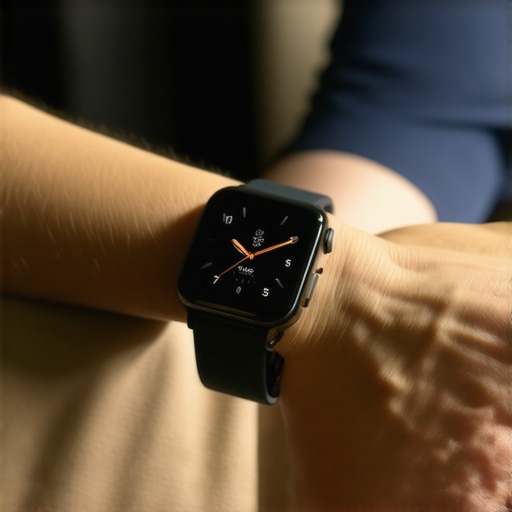
Follow blogs and reviews on latest trends to discover new tools and innovations. For example, I recently upgraded to a smartwatch with AI-driven health insights, which provided personalized recommendations, boosting my motivation and progress.
< >
>
Let’s dig deeper into what many people get wrong about wearable tech, especially in the context of health and fitness. A prevalent myth is that simply owning the latest device guarantees better health outcomes. In reality, many users fall into the trap of focusing on features rather than how these tools integrate into their routines. For example, some believe that a device’s accuracy is absolute, but in truth, sensors can have significant variability based on skin tone, placement, and even environmental factors. Understanding these nuances is crucial for making informed decisions and avoiding disappointment.
Another common mistake is over-relying on data without considering context. For instance, a high resting heart rate might be flagged as problematic, but it could also be due to dehydration or stress. Without understanding these nuances, users might panic or make unnecessary lifestyle changes. Expert sources, such as a recent study in the Journal of Medical Internet Research, highlight that wearable devices are most effective when used as part of a comprehensive health strategy, not standalone solutions. This underscores the importance of consulting healthcare professionals rather than making assumptions based solely on device metrics.
What Advanced Users Should Watch Out For: Can Wearables Detect Chronic Conditions Accurately?
This question addresses a sophisticated concern: while wearables have advanced significantly, their ability to replace medical diagnostics remains limited. For example, ECG functionality in smartwatches can detect irregular rhythms, but false positives and negatives still occur. Misinterpretation of such data without professional guidance can lead to unnecessary anxiety or missed diagnoses. The nuance here is understanding the device’s capabilities versus its limitations—wearables are excellent for screening and trend tracking but should not replace medical evaluation. Staying updated on the latest research, like innovations discussed in health tech breakthroughs, can help users appreciate the balance between innovation and accuracy.
Have you ever fallen into this trap? Let me know in the comments.
Once you’ve selected the perfect wearable device and integrated it into your daily routine, the next crucial step is ensuring it continues to perform optimally over time. Proper maintenance not only extends the lifespan of your gadgets but also guarantees that the data you rely on remains accurate and reliable. In this post, I’ll share my top tools and methods for keeping your wearable tech in top shape, along with predictions for future trends in device longevity and scalability.
How do I maintain my wearable devices over time?
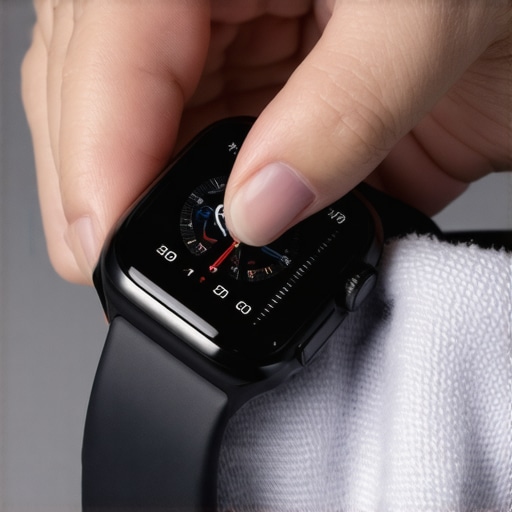
First, invest in a high-quality cleaning kit specifically designed for wearables. I personally use a microfiber cloth combined with alcohol wipes to regularly clean my smartwatch and fitness tracker. This prevents the buildup of sweat, dirt, and oils that can interfere with sensors. For more thorough cleaning, especially around the sensors and charging points, I recommend a gentle brush and a small amount of isopropyl alcohol. Regular cleaning preserves sensor accuracy and ensures longevity.
Second, keep your device’s firmware and companion apps updated. Manufacturers frequently release updates that fix bugs, improve power efficiency, and introduce new features. I make it a habit to check for updates weekly, which has noticeably improved my device’s battery life and responsiveness. For example, the latest smartwatch firmware updates include enhanced health monitoring algorithms that are more accurate and battery-friendly.
Third, use reliable tools for data backup and calibration. I use the manufacturer’s app for automatic backups, ensuring I don’t lose my health data if I need to reset or replace my device. Additionally, periodically recalibrate sensors, such as step counters or heart rate monitors, following the device-specific instructions. This simple step maintains measurement accuracy, especially after firmware updates or prolonged use.
Predicting Future Trends in Wearable Maintenance
Looking ahead, I believe the evolution of AI-driven diagnostics will streamline device maintenance. Future wearables might self-diagnose issues, notify you of needed calibrations, or even perform remote diagnostics with minimal user intervention. Companies are already exploring predictive analytics to anticipate hardware failures before they happen, which could significantly reduce downtime and repair costs.
Furthermore, the integration of sustainable materials and modular designs will simplify repairs and upgrades. Imagine swapping out batteries or sensors without replacing the entire device — making wearables more eco-friendly and cost-effective over the long term.
To get started today, try the advanced tip of regularly recalibrating your sensors using manufacturer tools or third-party calibration apps. This simple habit can dramatically improve your device’s accuracy and lifespan. For comprehensive guidance on maintaining your health tech, be sure to visit this detailed guide.
< >
>
Keeping your wearable tech in prime condition is an ongoing process, but with the right tools and habits, you can enjoy precise health insights and extended device life for years to come. Stay proactive, stay informed, and your devices will reward you with consistent performance and reliable data.
The Hardest Lesson I Learned About Wearable Tech in 2024
One of the most valuable lessons I discovered is that the true power of wearables lies not just in their features, but in how seamlessly they integrate into your daily routines. Early on, I focused on fancy gadgets with the latest sensors, only to find they sat unused because I didn’t tailor them to my lifestyle. It taught me that selecting a device should start with understanding your habits and goals, rather than chasing the newest tech trend.
3 Myths About Wearable Tech That Held Me Back
Believing that more features automatically mean better health outcomes was a major misconception. I also thought that device accuracy was absolute, which isn’t true, especially across different skin tones or environments. Lastly, I assumed that once I bought a device, my health would improve automatically. These myths can hinder progress, and understanding their limitations helped me use my wearables more effectively.
What Experts Won’t Tell You About Wearable Tech in 2024
Many professionals highlight that wearables are most effective as part of a holistic health strategy, not standalone solutions. They often emphasize the importance of consulting healthcare providers when interpreting data, especially for chronic conditions. Recognizing these insights shifted my perspective from reliance on gadgets to a balanced approach involving professional guidance and personal awareness.
My Essential Toolkit for Wearable Success
My trusted resources include the comprehensive Ultimate Guide to Fitness Trackers, which helps me make informed choices, and the latest health tech breakthroughs articles that keep me updated on innovations. Additionally, I follow top blogs and forums for community support and practical tips, ensuring I stay ahead of trends and maintain my devices effectively.
Your Turn to Elevate Your Wearables Journey
Embracing wearable tech is more than owning gadgets—it’s about integrating them thoughtfully to enhance your health and wellness. With the right knowledge and tools, you can unlock its full potential in 2024. Remember, progress is a personal journey, and every step you take with your devices brings you closer to a healthier, more aware lifestyle.
What’s been your biggest challenge or breakthrough with wearable tech? Share your story below and let’s learn from each other!
Jessica Thomas
Reading about the pivotal moment when the smartwatch alerted you to your heart rate spike really resonated with me. It’s incredible how wearable tech can transform the way we perceive our health—no longer waiting for symptoms, but proactively monitoring in real-time. I’ve had similar experiences, especially during high-stress workdays where I sometimes overlook my hydration or stress levels. That continuous feedback has motivated me to integrate mindfulness and hydration reminders into my daily routine. However, I wonder, what are some practical ways to prevent tech fatigue? Sometimes, constantly checking these metrics can cause unnecessary anxiety or distraction. Have you found effective strategies to balance staying informed without becoming overly obsessed with data? I’d love to hear how others manage this balance so wearable tech remains a helpful tool rather than a source of stress.
Ethan Carter
This article really hits home for me, especially the point about selecting wearable tech based on your lifestyle. I’ve made the mistake of choosing devices with too many features that I never really used, which ended up collecting dust. Over time, I learned that focusing on core needs like activity tracking and sleep monitoring actually kept me more engaged. I’m curious, how do others prioritize which features are essential for their wellness goals? For me, simplicity and battery life are key, since I don’t want to constantly worry about charging or managing unnecessary apps. Also, I agree that integration with existing health apps is crucial; otherwise, the data feels disconnected. Have you or anyone else found specific brands or models that excel in blending overall fitness and ease of use? It seems like a balanced approach can make all the difference in turning a gadget into a true health companion.
Nathaniel Grant
Reading about how your smartwatch alerted you to your heart rate spike definitely underscores the transformative power of wearable technology. I’ve noticed similar benefits with my own devices, especially how they help me stay aware of stress levels and recovery periods during busy workweeks. It’s fascinating how these gadgets have evolved from simple step counters to sophisticated health monitors. However, one challenge I’ve faced is balancing the insights from these devices without falling into data overload. I sometimes find myself checking metrics too frequently, which can lead to unnecessary worry or distraction. Do you have any tips for setting boundaries to prevent tech fatigue? I’m curious how others maintain a healthy relationship with wearable tech so it remains a helpful tool rather than an anxiety source. Also, I wonder how this kind of real-time monitoring influences long-term health habits—have you seen lasting changes since adopting newer devices? Would love to hear your thoughts on striking that balance.
Benjamin Wallace
I found this post really insightful, especially the part about how wearable tech can identify issues before symptoms appear. It’s a game-changer for proactive health management. I’ve been using a fitness tracker for a couple of years now, mainly to monitor sleep and daily activity, but I’ve started exploring newer devices with ECG features and stress tracking. The challenge I face is not just choosing the right device but also sticking to consistent use. Sometimes I get caught up in interpreting every little data point, which can be overwhelming and cause tech fatigue. I wonder if others have found effective ways to set boundaries—like limiting how often they check their stats or specific times of the day to review their health data? Also, do you think these devices are really capable of helping us adopt healthier habits long-term, or is it mostly short-term motivation? Would love to hear your strategies and thoughts on maintaining a balanced relationship with wearable health tech.