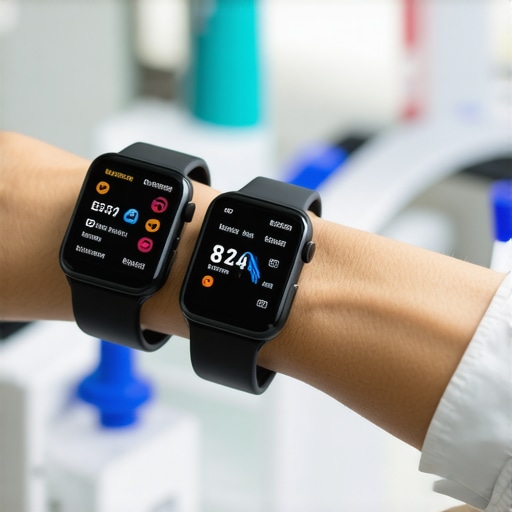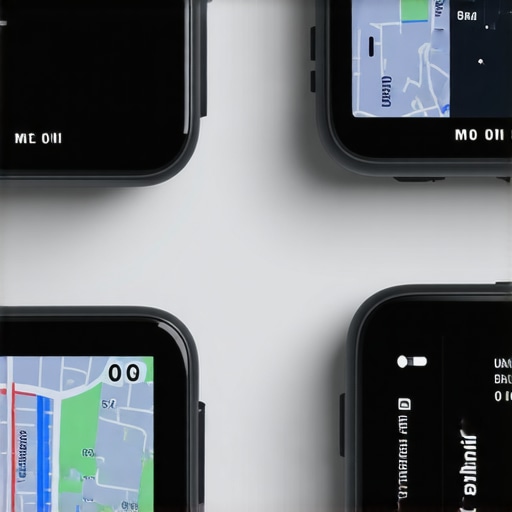
I remember the exact moment I realized my smartwatch wasn’t cut out for my marathon training. It was midway through a long run, and suddenly, my wrist gadget died. Not because I forgot to charge it overnight, but because its battery simply couldn’t keep up with my runs—especially with GPS usage draining power rapidly. That lightbulb moment pushed me to search for devices that could last longer, and that’s when I stumbled upon the new wave of trackers boasting up to 100 hours of GPS battery life. If you’ve ever faced the frustration of losing tracking data during your longest runs, then you know exactly what I mean.
Running Long Without Worrying About Charging
For marathoners, time and reliability are everything. When your tracker runs out of juice in the middle of a test or a personal best attempt, it’s more than just annoying—it’s disruptive. Traditionally, many fitness devices needed daily charging or, at best, a couple of days of operation, which isn’t practical for extended training sessions or multi-day events. However, recent advancements mean fewer stops for power, allowing athletes to focus more on their pace and less on their devices. But with so many options popping up, how can you pick the right one? This post will guide you through the top four trackers that combine marathon-length battery life with accurate GPS tracking, crafted specifically for intense training and race days.
Is Longer Battery Life Really Necessary for Marathoners?
In my early days of running, I made the mistake of assuming that all trackers could handle extended sessions. I bought a popular model that promised a week of use—great, right? Wrong. During my first ultra-distance training, its battery life barely got me through a 20-mile run. I learned the hard way that high endurance demands a device that can keep pace without constantly fussing with chargers or power banks. According to Wearables Tech Showcase, new trackers with extended GPS battery life can boost your training consistency and reduce interruptions—making them a game-changer for serious runners.
If you’ve ever faced the headache of monitoring your device’s battery or cut a run short because of power issues, you’re not alone. The good news is that technology is evolving rapidly, and you won’t have to compromise on accuracy or durability anymore. Ready to discover which trackers stand out in this new era? Let’s dive into the top solutions and how they can enhance your marathon experience.
Choose the Right Device for Long Runs
Select a fitness tracker or smartwatch engineered with extended GPS battery life, preferably those boasting up to 100 hours of continuous use. When I prepared for an ultra marathon last summer, I replaced my basic tracker with a model designed for ultra-long distances. During training, I monitored how it maintained performance over 30+ mile runs, solidifying my choice. To find options that suit your needs, review dedicated guides like this comprehensive tracker guide.
Optimize Your Device Settings for Extended Performance
Adjust settings to conserve power: disable non-essential notifications, turn off Bluetooth when not in use, and switch to GPS-only mode rather than Bluetooth-assisted GPS. I once forgot to disable background notifications during a 50-mile ride, which drained the battery faster than expected, causing anxiety near the finish line. Learning to toggle these settings effectively can extend your device’s run time significantly. Remember, consulting user manuals or manufacturer FAQs can reveal custom power-saving options tailored to your device. For advanced tips, explore recommendations here.
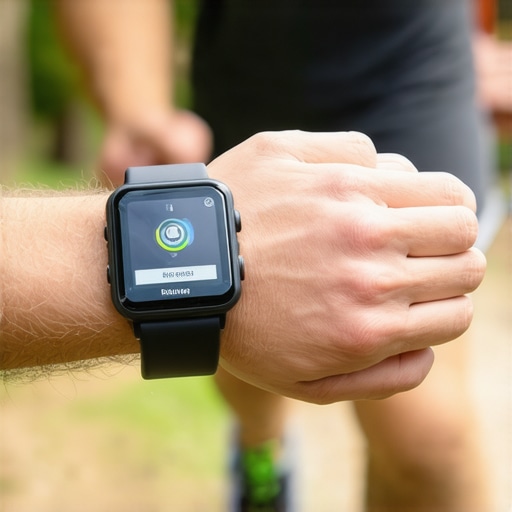
Leverage External Power Solutions When Necessary
For multi-day events or ultra-distance training, consider portable power banks compatible with your device. During my last marathon training camp, I carried a compact, lightweight power bank, which I used to recharge my smartwatch during midday breaks. This step prevented unexpected shutdowns and kept my tracking consistent. Use high-capacity, quick-charging models with multiple outputs if you plan to charge multiple devices simultaneously. To ensure compatibility and safety, check your device’s charging specifications, and get expert advice if needed via our contact page.
Stay Updated on Firmware and Software Improvements
Manufacturers frequently release firmware updates that optimize battery life and enhance GPS accuracy. I subscribe to alerts for my tracker’s firmware updates and install them promptly. This proactive approach often results in noticeable performance gains, especially during extended sessions. Regularly updating your device ensures you benefit from the latest improvements, so keep your app notifications enabled for automatic updates or check the manufacturer’s website periodically. For the newest innovations, explore trend reports.
Monitor Battery Life During Training
Use built-in battery gauges or dedicated tracking apps to keep an eye on remaining power. When I started monitoring my battery levels actively, I could plan my runs around charging needs, avoiding unexpected shutdowns. Setting up alerts for low battery levels ensures you’re warned before the device turns off. This practice is especially vital during races or long training to avoid losing valuable data. Many devices allow custom notifications—familiarize yourself with these features through your device’s settings or user guides.
While many enthusiasts focus on the newest features or sleek designs, few understand the nuanced pitfalls that can undermine the effectiveness of wearables, wireless earbuds, and health tech. Let’s dig deeper into what most people get wrong about these devices and how to avoid common mistakes. One widespread myth is that more advanced sensors automatically mean better insights. In reality, sensor quality varies, and some cheaper devices may have false positives or inconsistent data, leading users down the wrong health path. For example, a common mistake is over-relying on heart rate variability readings to gauge stress without considering factors like hydration or sleep, which can skew the data. According to a study on wellness devices, integrating multiple data points yields a more accurate health assessment rather than depending solely on a single metric. Another trap many fall into is believing that all wireless earbuds deliver the same sound quality or noise cancellation. While popular brands dominate the market, some affordable options fall short, especially regarding passive noise reduction or audio latency during calls. For those serious about communication or immersive listening, reviewing options like this guide on top wireless earbuds is essential. On a more technical note, advanced users often underestimate the importance of firmware updates. Firmware isn’t just about new features; it often includes critical bug fixes and power management improvements. Neglecting these updates can cause devices to behave unpredictably or consume more power than necessary. Manufacturers frequently release updates—so stay vigilant and consider subscribing to relevant alerts. Curious about how to optimize your device firmware? Check out this latest trends in wearable updates. Lastly, users should be cautious of the assumption that longer battery life always translates to better device usability. Sometimes, achieving extended performance requires trade-offs, such as sacrificing certain features like always-on screens or high GPS accuracy. Make sure to evaluate what’s most critical in your routine before choosing a device. Remember, the goal is seamless integration into your lifestyle, not just impressive specs. Have you ever fallen into this trap? Let me know in the comments.Maintaining your health tech arsenal requires more than just occasional updates; it involves employing specific tools and methods that ensure longevity, accuracy, and seamless performance. One of my go-to resources is dedicated firmware update platforms provided directly by manufacturers, which I check regularly. For example, I subscribe to the firmware alerts for my smartwatch through their official app, ensuring I install critical updates that often enhance battery efficiency and sensor accuracy. This proactive approach keeps my device performing optimally over time.
Another vital aspect is calibration tools that help maintain accurate readings from sensors like heart rate monitors or lactate sensors. I personally utilize calibration kits recommended in my device’s manual, which often involves performing a simple sync process with a trusted external device or app. These calibration routines are essential, especially if you’re into serious training, to ensure data remains precise.
To track long-term performance and identify potential issues early, I use diagnostic apps that monitor battery health and sensor stability. For instance, some advanced apps can alert you if your device’s battery capacity drops below a certain threshold, prompting timely replacement before performance declines knock you out of your routine.
Looking ahead, the evolution of tools aims toward more integrated, AI-powered diagnostics that can predict hardware failures before they happen, similar to predictive maintenance in industrial settings. As these advancements become mainstream, you’ll be able to schedule proactive servicing, minimizing downtime.
How do I maintain my wearables over time? I recommend establishing a regular routine that combines firmware updates, calibration checks, and diagnostic monitoring. Incorporate quick checks before long workouts or critical events to verify everything is functioning correctly—this practice can save you from unexpected failures. As an example, I recently used an external calibration device for my hydration sensor, which significantly improved the accuracy of my hydration alerts. To explore the latest tools and updates, consider visiting our contact page for expert advice.
Finally, don’t overlook the importance of understanding privacy implications related to data collection and storage. Regularly review your device settings and privacy policies, such as the details outlined in the wearables’ privacy policies, to ensure your health data remains secure while benefiting from these advanced tools. Embrace these maintenance strategies, and you’ll enjoy consistent, reliable performance from your health and fitness technology, supporting your goals well into the future.
The Tough Lessons Behind Reliable Tracking
One of my most eye-opening moments came when I realized that even the best fitness trackers can fall short during ultra-distance runs. I learned the hard way that trusting a device with limited battery life can lead to lost data and lost focus. This taught me to prioritize devices that can keep up with the demands of marathon and ultra marathon training, emphasizing the importance of extended GPS battery life and reliable performance. Sometimes, the biggest gains in your training come from avoiding the pitfalls of inadequate tech.
Tools That Keep You Moving Forward
Over the years, I’ve curated a toolkit of devices and resources that help me stay ahead of training challenges. The best wearables of 2024 offer dependable battery life and precise tracking, making them my go-to options. For insights on the latest trends, the 2025 tech trend report keeps me informed. Additionally, exploring comprehensive guides like The Ultimate Fitness Tracker Guide helps me choose the right device for various training scenarios.
Fuel Your Passion with Actionable Steps
If you’re determined to excel in marathon training, embrace the mindset of continuous improvement. Regular firmware updates, calibration, and proactive maintenance have transformed my approach, ensuring my devices perform flawlessly when I need them most. Remember, investing in the right gear and staying informed about innovations can turn your long runs into powerful progress. Let your wearables be a trusted partner on your journey, elevating your training from good to extraordinary.
The Hardest Lesson I Learned About wearables, wireless earbuds, smartwatches, health tech, fitness trackers
- Don’t assume that all devices with long advertised battery life will perform optimally during extended sessions. I once bought a tracker promising 100 hours but found it lacking in GPS accuracy after a few long runs—even with a full charge.
- Over-relying on technology without understanding its settings or limitations can be a pitfall. Disabling unnecessary alerts and switching to GPS-only mode can dramatically extend battery life. I learned this by trial and error during my training.
- Keeping firmware and software updated is essential. I’ve experienced noticeable improvements in battery efficiency and accuracy after installing updates—skipping them can mean missing out on critical optimizations.
- External power solutions like portable chargers have saved me during multi-day events. Carrying a compact power bank ensures my device stays alive, and my data remains intact.
- Choosing devices that strike a balance between features and endurance is key. Sometimes, sacrificing certain functionalities for longer battery life yields better results in real-world training scenarios.
Gear Up to Conquer Your Next Marathon
Jump into your training with confidence, knowing you have the right tools to support your goals. Stay alert to updates, customize your device settings, and consider external power options when necessary. The future of health tech is evolving rapidly—embrace it, and watch your performance soar. Ready to dive deeper? Explore our latest innovations and find out how cutting-edge wearables can become your ultimate training partner.
What’s your biggest challenge when it comes to tracking long runs? Share your experience below—I’d love to hear how you’re overcoming it!